Open Textbook Embroidery Design Review
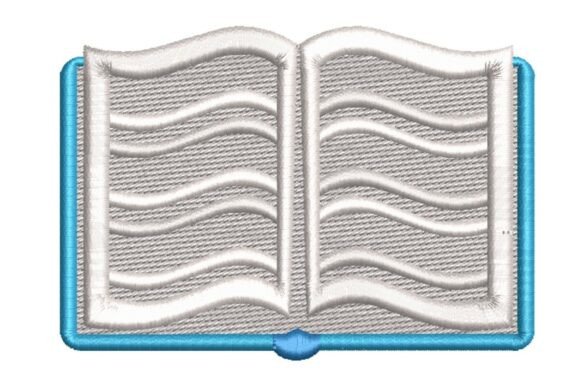
As I prepare my inventory for the upcoming weekend craft fair, evaluating every machine embroidery design in my library is a critical step. Not every file translates well from a digital screen to a physical craft fair product. Today, I am reviewing the Open Textbook Embroidery Design to determine its viability for my booth display and online shop. This classic design features an open textbook rendered in textured white or light grey, making it a staple for education and reading themes. However, as an experienced designer, I need to know if this specific aesthetic will capture customer attention amidst a sea of colorful handmade goods.
First Impressions and Aesthetic Appeal
My immediate reaction to the Open Textbook Embroidery Design is that it feels academic yet soft. The choice of textured white or light grey thread suggests a vintage, scholarly vibe rather than a bold, cartoonish look. For a Back To School collection, this offers a sophisticated alternative to bright primary colors. It reads as elegant and nostalgic, which appeals strongly to teachers, librarians, and lifelong learners who frequent handmade markets.
The texture described in the product details is the selling point here. Flat fills can sometimes look cheap on camera or in person, but a textured fill mimics the actual appearance of paper pages. This tactile quality elevates the perceived value of the finished product. When customers touch an embroidered item at my table, they should feel intentionality. This design promises that depth, distinguishing it from generic clip-art style embroidery files.
Best Product Applications for Market Sales
Determining where to place this design is just as important as the design itself. Based on the color palette and theme, I have identified several high-potential applications for my booth:
- Tote Bag Design: Canvas tote bags are my best-selling handmade product category. The light grey book motif will contrast beautifully against natural unbleached canvas or navy blue cotton. It creates a reusable library bag aesthetic that sells instantly to educators.
- Tea Towel Embroidery: Flour sack towels are a craft fair staple. Because the design uses lighter thread colors, it works exceptionally well on dark charcoal or slate grey linens. This high-contrast combination makes the subtle texture pop, ensuring visibility from across the aisle.
- Apron Embroidery: For teacher appreciation gifts or classroom volunteers, this design centered on a bib apron is a winner. It signals professional pride without being overly cutesy.
- Embroidered Patch: Creating standalone patches allows customers to customize their own denim jackets or pencil cases. The rectangular shape of an open book lends itself perfectly to patch borders.
I would avoid using this design on white fabric unless there is a significant outline or shadow element, as the white-on-white stitching may disappear in flat lighting conditions typical of indoor venues.
Production Practicality and Batch Efficiency
When preparing for a market, time is money. I need to assess if the Open Textbook Embroidery Design is efficient for batch production. The textured fill mentioned in the description likely involves satin stitches or specialized tatami patterns. While beautiful, these can be stitch-intensive. I must verify the stitch density before committing to a large run. If the design is too dense, it could cause puckering on lighter fabrics like tea towels, requiring heavier stabilizer and increasing material costs.
However, the color scheme is a production dream. Using only white and light grey threads means fewer stops and trims during the embroidery process. This efficiency allows me to hoop multiple items or run consecutive designs without constant thread changes. For an Etsy seller managing both custom orders and ready-to-ship inventory, this monochromatic palette streamlines workflow significantly.
Critical Use Notes and Technical Warnings
Despite its charm, this design requires careful handling. As a professional, I must flag potential issues before they become wasted blanks:
- Fabric Texture Conflict: Since the design relies on simulated page texture, avoid placing it on highly textured fabrics like terry cloth or waffle weave. The fabric’s texture will compete with the stitch texture, muddying the visual clarity.
- Small Lettering Risks: If the open book includes text on the pages, test the legibility at smaller sizes. Tiny lettering often gets lost or causes thread breaks. If scaling down for a pocket-sized pouch, consider removing internal text details.
- Dark Fabric Visibility: While light grey looks premium on dark backgrounds, ensure the contrast is sufficient. Test stitch on a scrap of your intended dark fabric first. If the grey blends too much, switch to pure white or add a darker outline to define the book's edges.
- Hoop Size Verification: Always confirm the dimensions fit your smallest常用 hoop if you plan to offer varied sizes. Resizing textured fills can distort the pattern, so check your software’s resizing capabilities specifically for this stitch type.
Merchandising and Visual Display Strategy
At a craft fair, visual hierarchy drives sales. The Open Textbook Embroidery Design has a distinct advantage: it tells a story. To maximize buyer engagement, I recommend grouping products by theme rather than by type. Create a "Scholar’s Corner" in your booth featuring the embroidered tote, a matching bookmark, and perhaps some vintage books as props.
For online listings, this design photographs best in natural, diffused light to capture the thread texture. Harsh flash will flatten the image. When creating a printable mockup for digital sales or pre-orders, ensure the mockup reflects the textured nature of the stitch. A flat vector mockup misrepresents the digital embroidery file and leads to customer disappointment. Show real photos whenever possible to highlight the dimensional quality of the open pages.
Designer Checklist Before Selling
Before listing this as a commercial embroidery product or stitching it for sale, complete this verification list:
- Test Stitch: Never skip this. Run the design on the exact fabric and stabilizer combination you intend to sell.
- Thread Contrast Check: Verify visibility under both natural and artificial light.
- Licensing Confirmation: Review the specific terms for this design assets package. Ensure you have the right to sell finished physical products, especially if sourcing the file from a third-party digitizer.
- Stabilizer Selection: Match the support to the fabric weight. Textured fills often require cut-away stabilizer for stability, even on woven fabrics.
- Mockup Accuracy: Create at least one real sample photo for your small shop product listings to build trust.
Final Verdict for Makers
The Open Textbook Embroidery Design is a strong contender for any maker focusing on education, literature, or vintage aesthetics. Its reliance on texture over color makes it versatile and timeless, avoiding the trap of trendy designs that expire quickly. While it demands attention to fabric selection and stabilization due to its detailed fill, the payoff is a premium handmade product that stands out for its quality.
For my upcoming fair, this design will anchor my teacher-appreciation line. It bridges the gap between functional utility and sentimental value, which is exactly what sells at handmade markets. Whether you are stitching for a local boutique or fulfilling Etsy orders, treating this design with technical respect will yield professional results that justify a higher price point. Always remember that in embroidery, the difference between a hobbyist piece and a professional product lies in these deliberate choices regarding placement, materials, and execution.