Alarm Clock Modern Cross Stitch for Sweatshirts
As an embroidery designer developing a new capsule collection for a boutique brand, I am constantly evaluating which graphics translate best from screen to fabric. When sourcing assets for premium apparel, the transition from a digital pattern to a tangible handmade product requires careful scrutiny. My latest evaluation focuses on the Alarm Clock Modern Cross Stitch, a design that promises vintage charm with contemporary appeal. For Etsy seller accounts and small clothing brands looking to expand their seasonal offerings, understanding how this specific graphic performs on heavy-weight fabrics is essential before committing to production.
First Impressions and Aesthetic Evaluation
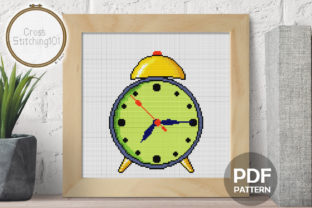
The initial review of the Alarm Clock Modern Cross Stitch reveals a balanced composition that sits comfortably between nostalgic and minimalist. In the world of Graphics intended for apparel, clutter is the enemy. This design avoids over-complication, featuring a clean silhouette that reads well even at smaller scales. The mood is distinctly cozy yet structured, making it an ideal candidate for autumn and winter collections. Unlike overly cutesy or juvenile clock designs, this pattern possesses a mature, rustic elegance that aligns with current trends in sustainable fashion and slow living aesthetics.
For a boutique brand, visual recognition is key. The distinct shape of the alarm clock serves as an immediate focal point without overwhelming the garment. It feels intentional rather than decorative filler. When reviewing Cross Stitch Patterns for commercial use, I look for "stitching personality"—does the design have enough character to stand alone? This alarm clock motif succeeds because its geometric lines contrast beautifully with the organic texture of fleece and French terry fabrics often used in sweatshirts and hoodies.
Application on Premium Apparel and Fabrics
Translating a cross stitch pattern onto knitwear presents unique challenges compared to woven linens. The Alarm Clock Modern Cross Stitch, with its specified dimensions of 13.64 x 17.64 cm (5.36 x 6.93 inch) at 14 count, offers a versatile footprint for sweatshirt embroidery. This size is substantial enough to serve as a primary chest placement on an oversized hoodie but remains compact enough for a left-chest logo position on a standard crewneck sweatshirt.
When testing this design concept on neutral sweatshirts like oatmeal, charcoal, and sage green, the 13 DMC thread colors specified in the pattern details provide excellent depth. On darker fabrics, the contrast is crucial. A designer must ensure the outline stitches are bold enough to prevent the clock face from disappearing into the navy or black background. Conversely, on pastel fabrics, the design takes on a softer, more feminine quality that appeals to customers seeking gentle, romantic aesthetics in their custom apparel.
For sleeve accents or back yoke placements, the verticality of the 97-stitch height works advantageously. It elongates the visual line on a hoodie sleeve or creates a centered anchor point on the upper back. However, creators must remember that knits stretch. While the pattern specifies "any fabric you like," commercial application on apparel requires adapting the execution method to maintain structural integrity during wear and washing.
Technical Considerations for Commercial Embroidery
While the source material is a PDF pattern for hand stitching, many small shop product creators will adapt this for machine production or use it as a direct guide for high-end hand-embroidered pieces. If utilizing this as a reference for a machine embroidery design, technical adjustments are non-negotiable. Knit fabrics require significant stabilization to prevent puckering. I recommend using a medium-to-heavy cutaway stabilizer rather than tear-away to support the density of 13 colors across nearly 100 stitches in height.
Stitch density is another critical factor. Cross stitch inherently has a higher profile than satin or fill stitches. On a plush sweatshirt, the pile of the fabric can swallow fine details. Designers adapting this graphic must consider adding an underlay or slightly increasing the spacing between stitches to allow the fabric texture to breathe. If executing this by hand as a true handmade product, using a blunt tapestry needle is vital to avoid splitting the yarn fibers of the sweatshirt, which compromises durability and washability.
Regarding the hoop size, the finished dimension of roughly 5.36 x 6.93 inches fits within standard commercial hoops. However, for apparel, magnetic hoops or adhesive stabilizers often yield better results than traditional friction hoops, which can distort the ribbing or fleece grain. Always verify your specific machine’s capabilities or hand-stitching frame size against the pattern's 75 W x 97 H grid before beginning. Checking these technical specifications ensures the final finished product matches the professional quality expected by boutique customers.
Enhancing Brand Value and Customer Trust
In the competitive landscape of commercial embroidery and digital downloads, presentation dictates perceived value. The Alarm Clock Modern Cross Stitch supports a narrative of craftsmanship. For Etsy seller listings, showcasing this design on actual apparel rather than just a digital render builds immense buyer trust. Customers want to see how the 13 thread colors interact with real fabric textures. Creating a printable mockup or photographing a physical sample helps bridge the gap between a digital asset and a wearable garment.
Furthermore, offering this design as part of a cohesive collection strengthens brand identity. If your shop focuses on cottagecore, academia, or vintage revival, this alarm clock motif reinforces that niche. It signals to the customer that you curate design assets with intention. Whether you are selling the physical embroidered sweatshirt or the adapted digital embroidery file, the versatility of this graphic allows for multiple revenue streams. It can be marketed as a unisex design, expanding your target demographic beyond gender-specific categories.
Production Workflow and Final Verdict
Before launching this design in a limited drop, I recommend a strict sampling protocol. Test the Alarm Clock Modern Cross Stitch on scrap fabric identical to your production blanks. Evaluate the following:
- Thread Tension: Ensure the 13 colors do not cause tunneling on lightweight fleece.
- Color Fastness: Verify that the chosen floss or thread equivalents do not bleed when washed, especially on light-colored sweatshirts.
- Readability: Confirm that the clock hands and numbers remain distinct after the garment has been worn and laundered.
- Placement Accuracy: Mark center points carefully; a crooked clock on a symmetrical sweatshirt looks unprofessional.
From a designer’s perspective, the Alarm Clock Modern Cross Stitch is a strong contender for seasonal apparel lines. Its dimensions are practical, its aesthetic is timeless, and its complexity allows for premium pricing. Whether you are a solo crafter making bespoke gifts or a brand owner scaling production, this pattern offers a solid foundation for creative expression. Just remember to always respect the intellectual property and licensing terms associated with any embroidery file or pattern you purchase, ensuring your business practices remain as high-quality as your stitching.
Ultimately, success in custom apparel lies in the details. By treating this cross stitch pattern not just as a picture, but as a technical blueprint for textile art, you elevate your work above generic merchandise. The result is a piece of clothing that feels curated, durable, and distinctly yours. Take the time to test, adjust, and perfect your application of this design, and it will undoubtedly become a staple in your boutique’s embroidery repertoire.