Classical Academic Building: A Merch Review
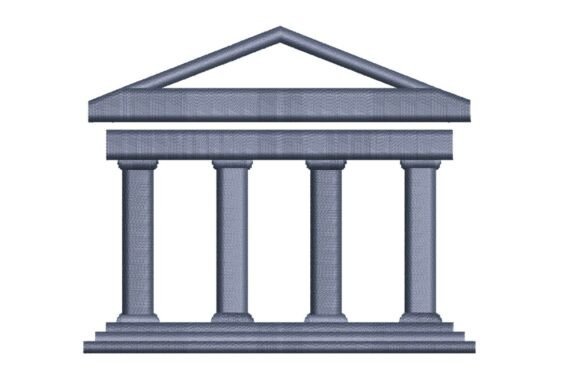
As an embroidery designer who specializes in commercial branding and small business merchandise, I approach every new machine embroidery design with a critical eye. It is not enough for a graphic to look beautiful on a screen; it must translate effectively into thread, withstand production workflows, and serve a clear business purpose. When reviewing the Classical Academic Building design, my primary focus is on its viability for professional applications ranging from staff uniforms to boutique packaging. This dignified icon features a stately Greek-style temple, and while the description highlights academic journeys, the architectural geometry offers significant potential for broader commercial use.
First Impressions: Authority and Structural Integrity
My immediate impression of the Classical Academic Building is one of established authority and timeless elegance. In the world of brand identity, classical architecture communicates stability, heritage, and trust. Unlike playful or rustic designs that suggest informality, this Greek-style temple motif projects a premium aesthetic. For a small business owner, this visual language is powerful. It suggests that your brand has roots and standards, even if you are a modern startup.
From a technical digitizing perspective, architectural designs like this are excellent candidates for commercial embroidery. The strong vertical lines of columns and horizontal entablatures provide a natural grid that stabilizes well during stitching. However, the "stately" nature of the design also implies density. As a designer, I immediately assess whether the balance between fill stitches and structural outlines will hold up on various fabric texture types without causing puckering or distortion.
Strategic Applications for Small Business Merch
While categorized under School, the utility of the Classical Academic Building extends far beyond graduation caps and alumni gear. I see distinct opportunities for diverse industries to leverage this embroidery file for high-value merchandise.
- Boutiques and Creative Studios: Use this design as a chest logo accent on linen work shirts or canvas tote bags. The classical aesthetic pairs beautifully with natural fibers, elevating a simple tote bag design into a sophisticated fashion accessory that customers want to reuse.
- Cafés and Bakeries: For establishments emphasizing tradition or artisanal methods, this icon works exceptionally well for apron embroidery. Placed centrally on a bib apron or as a subtle pocket detail, it reinforces a narrative of culinary heritage and quality.
- Professional Services: Law firms, architects, or consultants can utilize this as a lapel pin or embroidered patch. The temple imagery serves as a non-verbal cue of institutional knowledge and professionalism.
- Event Merchandise: For conferences, workshops, or corporate retreats, this design provides a unifying visual anchor. It feels more substantial than a generic clip-art logo, adding perceived value to event swag.
Technical Considerations and Production Risks
Despite its versatility, the Classical Academic Building requires careful handling during production. Architectural details are unforgiving; if a column shifts by a millimeter, the entire structure looks crooked. Here are specific areas where caution is required:
Cap Embroidery and Curved Surfaces
Using this design for cap embroidery presents unique challenges. The rigid geometry of a Greek temple does not naturally conform to the curved front panel of a hat. If you intend to use this on headwear, you must verify that the digitizer has accounted for cap-specific compensation. Without proper pull compensation, the horizontal roof lines may bow upward, and vertical columns may lean. Always run a test stitch-out on an actual cap before committing to a bulk order.
Scaling and Detail Retention
Small business owners often want versatile assets that work at multiple sizes. However, reducing the Classical Academic Building to a tiny sleeve detail or tag size risks losing definition. Intricate column fluting and pediment details can turn into a solid blob of thread if scaled below a certain threshold. Before resizing any digital embroidery file, check the minimum recommended dimensions. If you need a micro-version for product labels, request a simplified redraw rather than shrinking the original complex design.
Fabric Compatibility and Stabilizer
The perceived weight of this design suggests a higher stitch density. On lightweight fabrics like performance tees or thin poly-blends, this can cause heavy puckering. For custom apparel made of lighter materials, you must use adequate stabilizer—likely a cutaway backing for permanent support. Conversely, on textured fabrics like terry cloth or fleece, the fine architectural lines might get lost. In those cases, a topping stabilizer is essential to keep the details crisp and visible.
Impact on Brand Value and Customer Perception
Choosing the right design assets is a strategic business decision. The Classical Academic Building influences buyer engagement by triggering associations with education, history, and craftsmanship. When a customer receives a handmade product adorned with this emblem, they perceive a higher level of care and intentionality compared to generic branding.
This design also aids in visual consistency across different media. Because it relies on classic proportions, it translates easily from an embroidered patch to a printed business card or website header. This cohesion strengthens brand recognition. For Etsy sellers and makers, using such a distinguished icon can help differentiate products in a saturated market, signaling that your goods belong to a tier of refined, thoughtful creation.
Designer’s Pre-Production Checklist
Before loading this embroidery file into your machine for a client project or personal inventory, follow this professional review protocol to ensure success:
- Verify Licensing: Confirm the commercial licensing terms specifically allow for the intended business use, especially if selling finished goods featuring the design.
- Check Technical Specs: Review the included documentation for exact stitch count, hoop size requirements, and color changes. Do not assume standard sizing.
- Create a Printable Mockup: Generate a realistic printable mockup to show clients how the Classical Academic Building will appear on their specific garment. Manage expectations regarding size and placement.
- Test Thread Colors: Architectural designs often rely on shading to create depth. Test your thread colors against the actual fabric. High contrast is usually necessary to make the columns pop; low contrast may flatten the image.
- Run a Black and White Test: Stitch a grayscale version first. This reveals the underlying structure and density issues without wasting expensive colored threads.
- Inspect Spacing: Zoom in on the digital file to check spacing between columns. Ensure there is enough gap to prevent thread buildup that could break needles or distort the fabric.
- Wash Test: If producing uniforms or aprons, wash and dry the test sample. Classical lines must remain straight after laundering; if they warp, adjust your stabilizer strategy.
The Classical Academic Building is more than just a school category filler; it is a robust asset for businesses seeking to convey permanence and quality. By respecting its technical requirements and leveraging its inherent dignity, you can transform this machine embroidery design into a cornerstone of your branded merchandise strategy. Whether applied to a florist's apron or a consultant's portfolio case, this design carries the weight of tradition while supporting modern commercial goals. Always prioritize testing and material compatibility to ensure the final product honors both the design's integrity and your brand's reputation.