Eggplant Modern Cross Stitch Pattern Review
As a professional embroidery designer curating a limited-edition capsule collection for a boutique brand, I approach every new machine embroidery design with a critical eye. We are not just looking for pretty pictures; we are evaluating production viability, aesthetic cohesion, and commercial appeal. When reviewing the Eggplant Modern Cross Stitch Pattern for our upcoming seasonal sweatshirt drop, my assessment focuses on how this specific graphic translates from a digital file to a tangible, premium garment. This review breaks down the technical and artistic merits of using this design in a real-world apparel business context.
First Impressions: Mood and Aesthetic Versatility
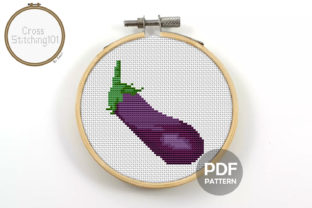
The first thing that stands out about the Eggplant Modern Cross Stitch Pattern is its deceptive simplicity. At 47 stitches wide by 50 stitches high, this is a compact motif. In the world of custom apparel, small-scale graphics often carry more weight than large back pieces because they require precision. The mood here strikes a balance between rustic charm and modern minimalism. It does not feel overly traditional or dated, which is a common pitfall with botanical cross stitch designs. Instead, it possesses a playful yet sophisticated personality that aligns perfectly with current slow-fashion trends.
For a boutique brand, versatility is key. Visually, this eggplant motif reads as organic and grounded. On a cream or oatmeal-colored sweatshirt, it offers a soft, feminine contrast that appeals to customers seeking cozy, neutral aesthetics. However, when placed on a deep charcoal or navy hoodie, the design transforms into something bolder and more graphic. This duality makes it an excellent asset for Etsy sellers who need one design to serve multiple customer demographics without creating separate listings. It feels intentional rather than decorative, suggesting a curated brand identity rather than random clip art.
Technical Evaluation for Sweatshirt Embroidery
A beautiful pattern on screen can become a disaster on fabric if the technical specifications are ignored. The provided details state a finished size of approximately 8.55 x 9.09 cm (3.36 x 3.57 inches) at 14 count. For sweatshirt embroidery, this size is ideal for left-chest placement, cuff accents, or centered yoke positioning on oversized hoodies. It is large enough to be legible from a distance but small enough to maintain structural integrity on stretchy knit fabrics.
However, designers must consider stitch density. Sweatshirts and French terry fabrics have significant texture and loft. A design optimized for 14-count Aida may lack the underlay or density required to prevent stitches from sinking into the fleece. Before running a production batch, I always recommend testing the embroidery file on the exact garment blank you intend to sell. You may need to adjust the pull compensation or add a topping stabilizer to ensure the seven DMC thread colors remain crisp against the fabric grain. The color palette of seven shades suggests good depth without excessive color changes, which keeps production time efficient for commercial embroidery runs.
Stabilizer and Hoop Size Considerations
Because this design is relatively compact, your hoop size selection matters immensely. Using a hoop that is too large for a 3.5-inch design on a thick sweatshirt can lead to registration issues and fabric distortion. I recommend using the smallest hoop possible that still accommodates the design plus adequate margin. For knits, a cut-away stabilizer is non-negotiable to prevent puckering after washing. The Eggplant Modern Cross Stitch Pattern’s dimensions make it friendly for multi-hooping projects or sleeve placements where space is restricted, provided the stabilizer strategy is sound.
Commercial Application and Brand Value
In the competitive landscape of handmade goods, product value is dictated by perceived quality and uniqueness. Utilizing a specialized graphic like the Eggplant Modern Cross Stitch Pattern elevates a basic blank sweatshirt into a branded merchandise piece. For small shop products, this specific imagery taps into the "cottagecore" and "dark academia" niches without being cliché. It signals to the buyer that the seller has selected intentional design assets rather than generic stock vectors.
From a marketing perspective, this size and style photograph exceptionally well. Lifestyle photography for hoodie designs often struggles with scale; massive back prints can look overwhelming in social media thumbnails, whereas a chest-sized botanical motif invites the viewer to zoom in. This engagement metric is vital for algorithm visibility. Furthermore, because the pattern includes three PDFs, you have comprehensive reference material to ensure color accuracy. Consistency in thread colors across batches builds buyer trust. If a customer returns for a second purchase, they expect the eggplant purple to match their previous item exactly. Adhering strictly to the specified DMC codes ensures this repeatability.
Adapting Graphics for Different Apparel Styles
While categorized under Cross Stitch Patterns, this graphic functions beautifully as a hybrid element in mixed-media apparel. I have seen similar motifs used effectively on:
- Oversized Hoodies: Placed 4 inches below the neckline seam for a relaxed, slouchy vibe.
- Crewneck Sweatshirts: Centered on the chest or offset to the wearer's left for a classic collegiate feel.
- Sleeve Accents: Positioned vertically along the forearm or horizontally above the wrist cuff.
- Tote Bags and Accessories: The same file scales well for complementary non-apparel items to create a cohesive shop collection.
When adapting this for a digital embroidery file format compatible with your machine, remember that the original 14-count specification is a guide for visual proportion. Knit fabrics behave differently than woven cross-stitch cloth. You may find that increasing the overall size by 10-15% helps the design breathe better on heavy fleece. Always verify the final dimensions against your specific garment's printable area before committing to bulk production.
Production Workflow and Quality Control
Integrating the Eggplant Modern Cross Stitch Pattern into a professional workflow requires attention to detail beyond the initial digitizing. As a designer, I evaluate the "stitch-out" phase rigorously. Does the outline align perfectly with the fill? Are the seven colors distinct, or do they muddy together on dark fabric? Is the back of the embroidery neat enough for a premium unlined hoodie?
For Etsy sellers and creative entrepreneurs, offering a printable mockup alongside the physical product can bridge the gap between digital interest and sales. Because this pattern comes with detailed PDFs, you can create accurate visual representations of what the finished product will look like. Transparency regarding size (3.36 x 3.57 inches) and color count manages customer expectations and reduces return rates. A handmade product listing that clearly communicates these specs demonstrates professionalism.
Final Verdict for Boutique Collections
The Eggplant Modern Cross Stitch Pattern is a strong contender for seasonal apparel lines. Its compact footprint, manageable color count, and versatile aesthetic make it a low-risk, high-reward addition to a custom apparel catalog. It avoids the complexity of full-coverage embroidery while delivering maximum visual impact. For business owners focusing on sustainable, small-batch fashion, this design offers the perfect intersection of artisanal charm and production efficiency.
However, success lies in execution. Do not assume the 14-count parameters will translate blindly to sweatshirt fleece. Test your stabilizer, verify your hoop size, and confirm thread contrast on your specific blanks. When treated with the respect due to a premium design asset, this eggplant motif has the potential to become a signature bestseller, anchoring your brand’s visual identity with warmth and botanical elegance. Whether you are launching a fall collection or adding year-round staples, this pattern provides a solid foundation for creative growth and customer satisfaction.