Elephant Modern Cross Stitch Pattern Review
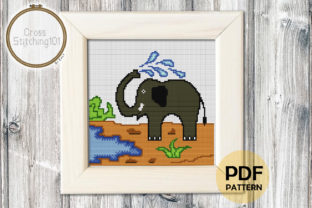
As an experienced embroidery designer preparing for a busy weekend craft fair, I evaluate every potential design through the lens of production efficiency and customer appeal. When reviewing the Elephant Modern Cross Stitch Pattern, my immediate focus is on its versatility as a craft fair product. This pattern presents a distinct modern aesthetic that bridges the gap between traditional needlework and contemporary home decor. With a stitch count of 100 W x 92 H and a finished size of approximately 7.14 x 6.57 inches on 14-count fabric, this design sits in a "medium focal" sweet spot. It is substantial enough to serve as the primary visual anchor on a tote bag or pillow cover, yet compact enough to fit comfortably within standard hoop sizes without requiring excessive re-hooping or complex stabilization adjustments.
First Impressions and Booth Display Potential
The first impression of the Elephant Modern Cross Stitch Pattern is undeniably modern and approachable. Unlike ornate Victorian styles or overly cutesy nursery motifs, this design reads as clean and graphic. For a handmade shop owner or Etsy seller, this is a significant advantage. The limited palette of 11 DMC floss colors suggests a sophisticated color story rather than a chaotic rainbow, which translates beautifully in person at a market booth. Customers scanning a table from five feet away will recognize the elephant silhouette instantly due to the bold geometry inherent in cross stitch graphics.
When setting up a display, this pattern performs exceptionally well as a unifying theme. I envision stitching three variations: one in classic grey tones for a neutral tea towel, one in vibrant teal for a market bag, and one in warm terracotta for a linen apron. This cohesive branding helps establish a professional look for creative entrepreneurs. The modern styling ensures it appeals to a younger demographic often seeking unique, non-traditional handmade gifts, while still retaining the charm that attracts traditional needlework enthusiasts.
Product Application and Commercial Viability
Evaluating where this design generates the most sales requires matching the motif to the substrate. Based on the dimensions and style, here is how the Elephant Modern Cross Stitch Pattern performs across key product categories:
- Tote Bag Design: This is arguably the strongest application. The 7-inch width centers perfectly on a standard canvas tote. The solid fill areas typical of modern cross stitch provide excellent coverage against natural canvas, making the design pop even in outdoor lighting conditions common at farmers markets.
- Tea Towel Embroidery: Kitchen linens are high-volume sellers. Because this pattern uses only 11 thread colors, it is efficient for batch production. A set of elephant-themed towels creates an easy upsell opportunity. However, ensure the fabric texture is smooth; coarse linen may distort the crisp lines of the modern graphic.
- Apron Embroidery: Placing this design on the lower third of a bib apron creates a balanced look. The elephant’s horizontal orientation complements the apron’s shape better than a tall, vertical motif would. This makes it ideal for boutique makers targeting chefs or gardeners.
- Pillow Covers: As a standalone centerpiece on a 16x16 inch throw pillow, the design has ample breathing room. The negative space around the elephant allows the fabric color to enhance the modern minimalist vibe.
- Embroidered Patches: While possible, caution is advised. At smaller scales required for patches, some internal details of the elephant may merge. If adapting this for patches, test the stitch density rigorously to ensure clarity.
Production Practicalities for Small Business Owners
For commercial embroidery and small shop products, time is money. The Elephant Modern Cross Stitch Pattern scores high on production practicality. Using only 11 DMC colors minimizes thread changes if you are utilizing machine embroidery digitizing software to convert this cross stitch chart into a machine embroidery design. Even for hand-stitchers fulfilling custom orders, a limited palette speeds up completion time significantly compared to complex shaded landscapes.
Photographing this design for online listings is straightforward. The graphic nature of the elephant means it photographs flat and true-to-color. There are fewer subtle gradients that might get lost in poor lighting. For digital sellers offering the PDF pattern itself, creating a printable mockup is essential. Showcasing the finished size relative to a human hand or a common object like a coffee mug helps buyers visualize the scale, reducing pre-sale questions about dimensions.
Critical Use Notes and Technical Considerations
Despite its user-friendly specs, there are specific technical considerations to address before mass production. As with any cross stitch patterns converted to finished goods, fabric choice dictates success.
- Fabric Texture and Weave: The pattern specifies "any fabric you like," but for commercial products, consistency is key. On textured towels or slubbed linen, the precise grid of cross stitch can compete with the fabric weave. Always use a waste canvas or water-soluble stabilizer to maintain stitch uniformity.
- Stitch Density and Coverage: Modern cross stitch often utilizes full crosses for solid blocks of color. Check your tension. If stitching by hand on dark fabric, ensure your threads do not pull too tight, causing the background to pucker. If converting to a digital embroidery file, adjust the underlay to prevent gaps in those solid elephant sections.
- Hoop Size Management: At 18.18 x 16.73 cm, this design fits in many standard hoops. However, always leave adequate margin for finishing. If framing or sewing into a pouch, account for seam allowances so the elephant isn’t accidentally cropped during assembly.
- Color Fastness: Since this is marketed for items like tea towels and aprons that require washing, verify your DMC floss is colorfast. Pre-washing your base fabric is also mandatory to prevent shrinkage from distorting the geometric precision of the design after the first launder.
Designer Recommendations for Market Success
To maximize the return on investment for the Elephant Modern Cross Stitch Pattern, follow these professional guidelines before listing any finished product or digital asset:
- Create Physical Samples: Never rely solely on digital renders. Stitch at least one physical sample on your intended sellable fabric. Colors look different on screen versus cotton canvas. Confirm the contrast is sufficient for visibility in varied lighting.
- Verify Licensing: Before selling finished items at a craft fair or on Etsy, review the specific license terms included in your PDF download. Ensure you have commercial rights for both physical products and digital mockups used in marketing.
- Test Stabilizer Combinations: Different substrates demand different support. Test tear-away versus cut-away stabilizers on scrap fabric. The goal is a smooth backside that doesn't irritate skin (crucial for aprons) and a front that lies perfectly flat.
- Batch Production Strategy: Group your cutting and hooping. Cut all tea towels at once, hoop them sequentially, and stitch similar colorways back-to-back. This reduces setup time and leverages the efficiency of the 11-color palette.
- Mockup Accuracy: If selling the pattern digitally, create mockups that accurately reflect the 100 W x 92 H proportions. Misleading aspect ratios lead to customer dissatisfaction. Use design assets that show the true scale relative to the fabric grain.
The Elephant Modern Cross Stitch Pattern offers a compelling blend of aesthetic appeal and production feasibility. Its modern sensibility aligns perfectly with current market trends, while its manageable specifications make it a reliable workhorse for handmade business owners. By respecting the technical requirements of fabric texture and stitch density, and by strategically applying the design to high-visibility products like tote bags and kitchen linens, this pattern can become a cornerstone of a profitable craft fair collection. Whether you are a seasoned Etsy seller or a boutique maker expanding your inventory, this design provides the structural foundation for beautiful, sellable embroidery.