Mushroom Modern Cross Stitch Pattern: A Designer Review
As a professional embroidery designer and product reviewer, I approach every new digital asset with a critical eye. When evaluating the Mushroom Modern Cross Stitch Pattern, my primary concern is not just how the chart looks on a screen, but how it translates into a tangible, sellable, or giftable finished product. This specific design, measuring 31 stitches wide by 35 stitches high, presents a unique set of opportunities and challenges for makers, Etsy sellers, and hobbyists. At a finished size of approximately 5.64 x 6.36 cm (2.21 x 2.5 inches), this is a compact motif that demands precision in both execution and application.
First Impressions and Visual Personality
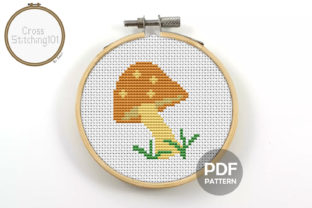
The immediate appeal of this Mushroom Modern Cross Stitch Pattern lies in its minimalist footprint. In an era where maximalism often dominates social media feeds, this design offers a quiet, botanical confidence. The four-color DMC palette suggests a restrained, cohesive aesthetic that avoids visual clutter. For a designer, this limitation is actually a strength; fewer thread colors mean faster production times and lower material costs for small shop products.
Visually, the mushroom shape is universally recognizable yet stylized enough to feel contemporary rather than purely traditional. It strikes a balance between cottagecore nostalgia and modern graphic simplicity. This duality makes it versatile for various demographics, from Gen Z buyers seeking trendy custom apparel to older generations appreciating classic needlework. However, because the design relies on such a small stitch count, every single cross stitch matters. There is no room for error in tension or placement; a misplaced stitch in a 31x35 grid is far more noticeable than in a dense 200-stitch landscape.
Real-World Application: The Linen Tea Towel Test
To truly evaluate this pattern, I mentally placed it in a real-life production scenario: creating a premium linen tea towel for a boutique holiday collection. Tea towels are a staple handmade product, but they require designs that hold up against texture and utility.
In this context, the 2.21 x 2.5 inch size acts as a subtle accent rather than a centerpiece. I envision stitching this in the bottom right corner or centered just above the hem. The small scale prevents the towel from feeling heavy or stiff, which is a common issue with larger embroidery projects on functional textiles. Using four colors allows for high contrast against natural linen, ensuring the mushroom pops without requiring complex shading.
For commercial embroidery or small business owners, this size is efficient. You could easily fit multiple placements on a single fat quarter of fabric for testing, or stitch several towels in succession without excessive re-hooping time. The simplicity also lends itself well to bundling; this mushroom pairs effortlessly with ferns, bees, or simple typography to create a curated collection of design assets for a seasonal launch.
Fabric Selection and Technical Constraints
While the product details state "any fabric you like," my professional assessment urges caution. A 31x35 stitch design behaves differently across textile weights.
- Aida and Evenweave: These are the safest bets. The grid structure supports the small scale perfectly, keeping the mushroom symmetrical.
- Linen and Cotton: Excellent for a modern look, but ensure the thread count is appropriate. On high-count linen, this design may shrink below 2 inches, making it difficult to see. On low-count fabrics, it may appear too large and pixelated.
- Stretchy Fabrics: If adapting this for a sweatshirt embroidery or t-shirt, the small size is actually beneficial. Large designs distort knit fabrics; this petite motif sits lightly on the chest or cuff. However, you must use adequate stabilizer to prevent puckering.
- Textured Surfaces: Avoid heavily textured fabrics like terry cloth or waffle weave unless you are an advanced stitcher. The small details of the mushroom cap can get lost in the fabric pile.
For those considering this as an applique design adaptation, note that the original file is a cross stitch chart. Converting it requires careful digitizing to maintain the charming, blocky aesthetic of the original while ensuring secure edges.
Commercial Viability for Makers and Sellers
For creative entrepreneurs and Etsy sellers, time is money. The four-color constraint of the Mushroom Modern Cross Stitch Pattern is a significant commercial advantage. Complex gradients and blended threads increase stitching time and inventory overhead. This design allows for rapid prototyping and consistent reproduction.
When listing finished items, this pattern photographs beautifully due to its distinct silhouette. It reads clearly in thumbnail images, which is crucial for mobile shoppers browsing Cross Stitch Patterns or finished goods. I recommend using this design for:
- Personalized Gifts: Add a name or date below the mushroom for baby bibs or wedding favors.
- Embroidered Patches: The compact size fits standard patch backings perfectly.
- Tote Bag Design: Place near the top handle or as a repeating border element.
- Digital Product Previews: Because it is simple, it renders quickly in printable mockups for marketing materials.
However, always verify licensing. While the PDF is an instant download, confirm whether you have rights to sell physical items made from the pattern or if it is restricted to personal use. Professional integrity and customer trust depend on respecting intellectual property.
Designer Notes for Successful Execution
Before committing this Mushroom Modern Cross Stitch Pattern to your best fabric, follow these practical steps to ensure professional results:
- Test Stitch First: Always stitch a sample on scrap fabric identical to your final project. Check if the 5.64 cm width feels proportional to your item.
- Contrast Check: Photograph your floss selection in black and white before stitching. If the values are too similar, the mushroom will look muddy. High contrast ensures the Graphics translate effectively to thread.
- Hoop Size Verification: While the design is small, ensure your hoop accommodates the fabric margins needed for proper tension. A 4-inch hoop is likely ideal; a 3-inch hoop might be too tight for comfortable stitching.
- Thread Management: With only four colors, carry threads carefully across the back. In a small design, long floats on the reverse side can show through light-colored fabrics or create bulk.
- Mockup Testing: Before launching a new product line, superimpose the design onto digital templates of aprons, caps, or pillows. Ensure the scale looks intentional, not accidental.
Final Verdict on Usability
The Mushroom Modern Cross Stitch Pattern is a deceptively simple asset that punches above its weight class. Its value lies not in complexity, but in its adaptability and efficiency. For the hobbyist, it is a satisfying weekend project that yields a polished result. For the craft business owner, it is a scalable component for building a cohesive brand identity across multiple product categories.
Success with this pattern depends entirely on respecting its scale. Treat it as a jewel-like accent rather than a sprawling centerpiece. Whether you are creating a holiday embroidery gift, updating your shop's inventory with baby embroidery items, or simply enjoying a mindful stitching session, this design delivers modern charm with practical versatility. Just remember: in small-scale embroidery, precision is the ultimate marker of quality. Take your time, choose your fabrics wisely, and let the simplicity of the mushroom speak for itself.