Retro Pi Day Embroidery Design Review
As an embroidery business owner constantly scouting for fresh, niche-specific artwork, finding designs that bridge the gap between academic appreciation and trendy aesthetics is a genuine challenge. When evaluating the Retro Pi Day Embroidery Design for potential inclusion in my shop’s seasonal lineup, I am looking for more than just a mathematical symbol; I am assessing its commercial viability across multiple product categories. This specific machine embroidery design catches my eye because it targets the intersection of STEM education and vintage style, a combination that performs exceptionally well on platforms like Etsy. For fellow sellers browsing Creative Fabrica embroidery collections, understanding how this digital embroidery file translates from screen to fabric is essential for making informed inventory decisions.
Visual Appeal and Market Positioning
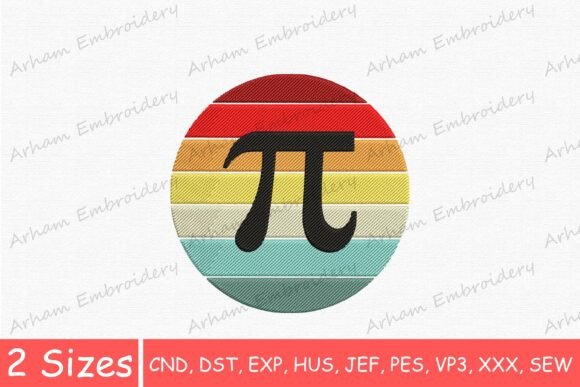
The first thing I analyze when considering any embroidery file is its visual personality. Based on the description featuring colorful stripes and a vintage math circle motif, this design leans heavily into a playful yet nostalgic aesthetic. It does not feel sterile or overly academic, which is crucial for broadening the customer base beyond just mathematics teachers. The retro styling suggests a bold, graphic quality that photographs beautifully for social media previews and listing thumbnails. For a handmade product seller, this visual distinctiveness is valuable. It allows the finished product to stand out in a crowded search result for "teacher gifts" or "nerdy decor."
This design feels inherently giftable. The blend of bright colors with a classic symbol creates a sense of fun that appeals to students, tutors, and math enthusiasts alike. Unlike minimalist line art which can sometimes get lost on textured fabrics, the stripe pattern implied in this Retro Pi Day Embroidery Design likely offers enough density and color variation to pop against both light and dark backgrounds. This versatility is key for small batch apparel and home decor lines where fabric choices vary significantly.
Best Product Applications for Sellers
Determining the right canvas for a machine embroidery design is half the battle in product development. Based on the intricate nature of a striped pi symbol and its school category classification, I see several high-potential applications for this artwork in a commercial embroidery setting.
- Sweatshirt Embroidery: The vintage vibe pairs perfectly with heavyweight cotton fleece. Center-chest placement on a crewneck sweatshirt would appeal to university students and educators looking for comfortable, expressive custom apparel.
- Tote Bag Design: Canvas totes are a staple for teachers and students. This design’s bold colors would provide excellent contrast on natural unbleached canvas, making it a strong contender for back-to-school or Pi Day specific promotions.
- Kitchen Towel Embroidery: For a more domestic angle, this pattern works wonderfully on flour sack towels. It transforms a utilitarian item into a novelty gift for the baker who loves math, expanding the target demographic beyond the classroom.
- Embroidered Patch: Given the defined shape of the pi symbol and circle, this could easily be adapted into a standalone patch. Patches have lower production costs and higher perceived value as collectibles for STEM clubs or tutoring centers.
- Baby Embroidery: While math seems mature, the "retro" and "colorful" aspects make this suitable for nursery decor or baby blankets for parents in STEM fields. It serves as a unique personalized gift that celebrates family passions early on.
Evaluating Stitch Quality and Production Practicality
Before listing any item derived from a Creative Fabrica embroidery download, practical testing is non-negotiable. A design that looks perfect digitally can present challenges during actual production. When preparing to use the Retro Pi Day Embroidery Design, I recommend creating a sample stitch-out on the exact fabric you intend to sell. This step reveals critical information about stitch density and stabilizer requirements. Striped patterns often involve multiple thread changes and varying fill types; verifying that these transitions are smooth prevents puckering or registration issues on the final handmade product.
Sellers must also confirm the hoop size compatibility with their specific machines. The product description mentions a circle stitch pattern, which typically requires adequate space to maintain proportion. If your machine has a smaller maximum embroidery area, check if the design comes in multiple sizes or if resizing will distort the vintage aesthetic. Additionally, reviewing thread colors is vital. While the digital file specifies certain shades, substituting with variegated or textured threads could enhance the retro feel, provided the contrast remains high enough for readability at thumbnail size.
Enhancing Listing Value and Buyer Perception
In the competitive landscape of Etsy and craft fairs, presentation drives sales. Using this embroidery file effectively means showcasing it in context. Rather than relying solely on printable mockups, photographing the stitched design on real products builds trust. Buyers want to see how the colorful stripes interact with fabric texture. For a personalized gift listing, demonstrating the design on an apron or cap helps customers visualize the end result, reducing hesitation.
Furthermore, this design supports storytelling in your product descriptions. You can highlight the "nerdy teacher student gift" aspect while emphasizing the premium quality of the embroidery. Mentioning that the design celebrates a love for mathematics adds emotional resonance. For digital sellers or those offering custom services, this artwork serves as a versatile asset that can be marketed repeatedly during different seasons, particularly around March 14th, but also during back-to-school periods or graduation seasons for STEM graduates.
Licensing and Commercial Considerations
For any craft business utilizing third-party assets, understanding usage rights is paramount. Before integrating the Retro Pi Day Embroidery Design into your shop, carefully review the licensing terms on the Creative Fabrica product page. Confirm whether the license permits the sale of finished physical products, as terms can vary between personal use and commercial embroidery rights. Some licenses may restrict the number of units sold or require attribution. Clarifying these details upfront protects your business and ensures ethical sourcing.
Additionally, verify the included file formats. Different embroidery machines utilize different extensions (PES, DST, JEF, etc.). Ensuring the digital embroidery file you download is compatible with your equipment saves time and frustration. If you plan to offer this design as part of a bundle or a customizable option, check if modification is permitted under the license. Respecting these boundaries maintains professional integrity within the maker community.
Strategic Integration for Small Shops
Ultimately, the decision to add the Retro Pi Day Embroidery Design to your collection should align with your brand identity and operational capacity. Its strength lies in its specificity; it solves a problem for buyers seeking niche academic gifts that still feel fashionable. By testing the stitch density, selecting appropriate stabilizers, and capturing high-quality photos of the finished product, you transform a simple embroidery file into a revenue-generating asset.
Whether you are updating your Etsy listings for the upcoming holiday or planning a dedicated STEM collection for a local craft fair, this design offers a unique opportunity to connect with a passionate audience. Remember to always validate technical specifications and license details directly from the source before beginning production. With careful execution, this vintage math motif can become a standout piece in your portfolio of handmade goods, delighting customers who appreciate the perfect equation of style and intellect.