Rose Flower Pot Modern Cross Stitch Review
As a professional embroidery designer preparing for an upcoming seasonal drop, I am constantly evaluating digital assets that bridge the gap between traditional needlework and modern commercial apparel. When sourcing graphics for a boutique sweatshirt collection, the balance between aesthetic charm and production viability is critical. My latest evaluation focuses on the Rose Flower Pot Modern Cross Stitch, a design that promises a blend of botanical elegance and contemporary simplicity. For small clothing brands and Etsy sellers looking to expand their handmade product lines, understanding how this specific pattern translates from a PDF chart to a finished garment is essential for maintaining brand integrity and customer satisfaction.
First Impressions and Aesthetic Versatility
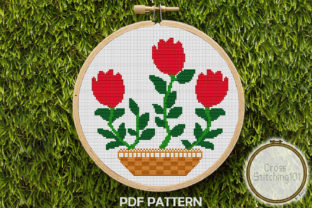
Upon reviewing the Rose Flower Pot Modern Cross Stitch, the immediate impression is one of refined minimalism. Unlike dense, complex floral arrangements that can feel heavy or dated, this design utilizes negative space effectively. The layout suggests a modern interpretation of classic cross stitch patterns, making it highly suitable for current fashion trends. For a boutique brand focusing on cozy seasonal apparel, this graphic strikes the right note between feminine and rustic without veering into overly cutesy territory.
The versatility of this motif allows it to adapt to various fabric palettes. On neutral sweatshirts in oatmeal, sand, or charcoal, the design acts as a sophisticated focal point. Conversely, when applied to pastel hoodies or dark denim jackets, the contrast creates a bold, playful statement. This adaptability is crucial for creative entrepreneurs who need design assets that work across multiple SKUs without requiring extensive re-digitizing. The visual personality of the rose pot feels premium yet accessible, positioning it perfectly for lifestyle product photography where the goal is to evoke warmth and artisanal quality.
Translating Graphics to Sweatshirt Embroidery
While the source material is listed under Cross Stitch Patterns and Graphics, my primary concern as an apparel decorator is its performance as a machine embroidery design. The transition from a counted thread chart to a sweatshirt embroidery application requires careful consideration of scale and placement. With dimensions of 17.27 x 17.45 cm (6.79 x 6.86 inch), this design occupies a significant footprint. This size makes it ideal for center chest placement on oversized hoodies or as a substantial back design on crewneck sweatshirts.
For custom apparel branding, this scale offers excellent visibility in mockup previews and social media marketing. However, for sleeve accents or pocket placements, the design would likely need to be resized. It is vital to verify if the digital embroidery file you acquire supports resizing without losing stitch integrity. As a hoodie design, the 6.8-inch width sits comfortably within the standard printable area of most adult garments, ensuring the artwork does not distort over seams or stretch excessively during wear. This makes it a reliable candidate for both ready-to-wear boutique drops and made-to-order Etsy listings.
Technical Production Considerations
Evaluating the technical specifications reveals both opportunities and challenges for commercial embroidery. The pattern specifies 95 W x 96 H stitches at 14 count, utilizing only 6 DMC thread colors. From a production standpoint, six thread colors are incredibly efficient. Low color counts reduce machine stop times and thread changes, directly impacting profit margins for small shop products. However, there is a discrepancy that designers must address: 95 stitches at 14 count typically yields a much smaller physical size than the stated 17cm. Before loading any embroidery file into your machine, you must confirm the actual stitch density and physical dimensions to ensure they match your hoop size and garment expectations.
Fabric texture plays a massive role in the success of this project. Sweatshirt fleece and French terry have a pile that can swallow fine details. If adapting this cross stitch graphic for machine embroidery, I recommend using a water-soluble topping stabilizer to keep the stitches crisp and visible above the fabric nap. The stitch density must be sufficient to cover the knit texture without causing puckering. Because the design uses limited colors, ensuring high contrast between the floss and the garment base is non-negotiable. A cream rose on a white sweatshirt may look elegant in a digital proof but could disappear in real-life lighting. Always run a sew-out test on the exact fabric weight you intend to sell.
Commercial Viability and Brand Value
For handmade business owners, the choice of design directly influences perceived value. The Rose Flower Pot Modern Cross Stitch carries an inherent "slow fashion" appeal that resonates with buyers seeking unique, non-mass-produced items. When marketed correctly, this design elevates a basic blank sweatshirt into a collectible piece of wearable art. The botanical theme has evergreen appeal, meaning inventory featuring this graphic is less likely to become obsolete compared to trend-driven typography.
Furthermore, the clean lines and manageable color palette contribute to washing durability. Designs with excessive density or poor stabilization often fail after laundering, leading to returns and negative reviews. By respecting the technical limits of the fabric and the design, you protect your brand reputation. For Etsy sellers, highlighting the specific thread colors and the modern adaptation of traditional techniques in your listing description can enhance buyer trust. It demonstrates attention to detail and a commitment to quality craftsmanship.
Strategic Implementation for Creative Entrepreneurs
Integrating this design into a collection requires strategic planning. Here is how I recommend approaching the Rose Flower Pot Modern Cross Stitch for a commercial release:
- Mockup Accuracy: Use printable mockups that accurately reflect the 6.79 x 6.86 inch size. Misrepresenting scale is a common pitfall that leads to customer disappointment.
- Colorway Testing: Create variations using the 6 specified DMC colors but mapped to different base garments. A single digital embroidery file can yield three distinct products (e.g., sage green on cream, terracotta on navy, monochrome on black).
- Stabilizer Protocol: Document your stabilizer combination for this specific design. Consistency in production ensures that every unit sold matches the quality of your sample.
- Licensing Verification: Always check the license terms associated with the instant download PDF or digital file. Ensure you have commercial rights for selling finished apparel, not just personal use.
Final Designer Verdict
The Rose Flower Pot Modern Cross Stitch represents a strong contender for boutique apparel collections, provided the technical translation is handled with care. Its aesthetic aligns perfectly with current demands for modern, cozy, and botanically inspired fashion. The efficiency of the six-color palette supports healthy margins, while the visual impact supports premium pricing. However, success lies in the details. Verifying the true stitch count relative to the physical size, selecting appropriate stabilizers for knit fabrics, and testing contrast ratios are mandatory steps before launching.
For the experienced embroiderer or ambitious Etsy seller, this design offers a canvas for creativity that respects both tradition and commerce. It is more than just a graphic; it is a potential signature piece for a brand that values thoughtful design and tangible quality. By treating this pattern with professional rigor, you transform a simple digital download into a sustainable, profitable product line that customers will cherish for seasons to come. Remember to always validate your specific embroidery file metrics against the product description to ensure your production reality matches your creative vision.