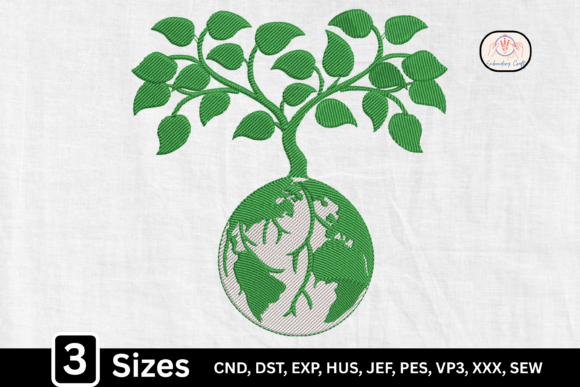
Eco Friendly World Earth Tree: A Designer Review
First Impressions: Assessing the Eco Aesthetic for Market Sales
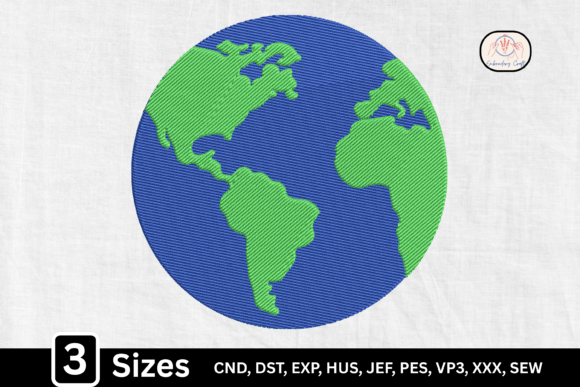
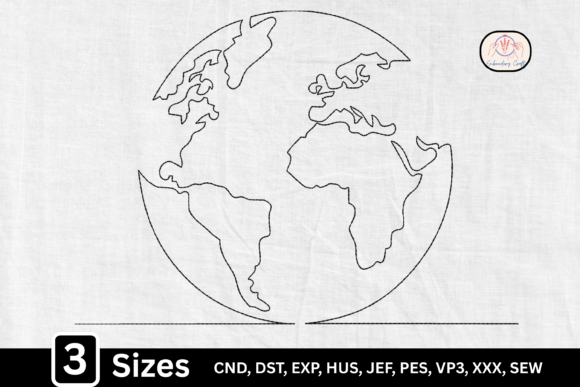
As an embroidery designer preparing for a weekend craft fair, my first step is always evaluating whether a machine embroidery design will actually stop customers at a booth. When reviewing the Eco Friendly World Earth Tree, the immediate impression is one of organic warmth and conscious sustainability. This is not merely a decorative motif; it carries a narrative of growth and environmental responsibility that resonates deeply with current market trends. The description highlights a leafy green tree growing from the earth, suggesting a grounded, nature-forward aesthetic that feels both modern and timeless.
For Etsy sellers and boutique makers, this design strikes a balance between educational appeal and commercial viability. While categorized under School, which implies suitability for student projects or educational gifts, the execution elevates it beyond simple classroom decor. It possesses a premium, artisanal quality necessary for higher-priced handmade products. The visual weight of a tree rooted in the earth suggests stability, making it an excellent anchor for eco-conscious branding. As I visualize my table display, this design does not feel fleeting or trendy; it feels like a staple piece that communicates values instantly to passersby.
Product Placement: Where the Earth Tree Thrives
Determining the right craft fair product is just as important as the digitizing itself. Based on the theme of sustainability and nature, the Eco Friendly World Earth Tree performs exceptionally well on functional, reusable items. My top recommendation for this specific artwork is the canvas tote bag. A tote bag design centered on environmental awareness creates a walking billboard for your brand at farmers' markets and eco-fairs. The natural texture of unbleached cotton or linen provides the perfect backdrop for the leafy green elements, enhancing the organic message without competing with the fabric.
Beyond bags, consider apron embroidery for gardeners or sustainable kitchen enthusiasts. An apron featuring this tree transforms a utilitarian garment into a statement piece about nurturing and growth. Similarly, tea towel embroidery offers a fantastic entry-level price point for customers who want to support eco-friendly themes without a large investment. For vendors focusing on smaller accessories, this artwork translates beautifully into an embroidered patch. Patches allow customers to customize their own denim jackets or backpacks, extending the life of existing garments—a core tenet of sustainability. When planning inventory, prioritize items where the design can be displayed flat and fully visible; curved surfaces like caps can sometimes distort the vertical integrity of a tree motif unless the digitization specifically accounts for that curvature.
Production Practicalities: Stitch Density and Fabric Texture
A beautiful concept fails if the production process is inefficient or prone to errors. When preparing the Eco Friendly World Earth Tree for batch production, I pay close attention to stitch density. Trees often involve complex fill stitches for foliage and detailed satin stitches for branches. If the density is too high, the design becomes bulletproof and stiff, which ruins the drape of a tea towel or the comfort of an apron. Conversely, if it is too sparse, the design may look cheap or fail to cover the fabric grain adequately. Always verify the density settings in your software before committing to a full production run.
Fabric texture plays a critical role in the final outcome. On smooth cottons, the details of the "growing from" element will be crisp. However, on textured linens or terry cloth towels, fine details can get lost. In these cases, using a water-soluble topping is non-negotiable to keep the stitches sitting on top of the pile. Additionally, consider the hoop size required. A larger hoop allows for better registration and fewer repositioning marks, but it also limits the types of garments you can embroider. Ensure your chosen hoop accommodates the full span of the tree roots and canopy without requiring excessive stabilizer buildup, which adds cost and waste to your commercial embroidery workflow.
Visual Merchandising and Digital Presentation
At a physical market, customers make split-second decisions. The Eco Friendly World Earth Tree must be legible from three feet away. Bold color contrast between the leafy greens and the base fabric is essential. If stitching on dark fabrics, ensure the digitizer has included adequate underlay to prevent the fabric color from bleeding through the green threads. For online sales, a printable mockup is valuable for listing variations, but nothing beats a photograph of the actual finished product. Natural lighting enhances the eco-friendly vibe far better than studio flashes. Show the design in context—stuffed inside the tote bag or hanging on a kitchen hook—to help buyers visualize its utility.
For digital embroidery file sellers, providing clear information about the design’s characteristics is vital. Buyers need to know if this is a dense, complex piece or a lightweight redwork style. Highlighting the versatility of the design assets helps justify the price point. Whether you are selling the physical item or the digital file, emphasizing the meaningful aspect of celebrating nature connects emotionally with buyers looking for more than just decoration.
Critical Pre-Production Checklist for Makers
Before loading the Eco Friendly World Earth Tree into your machine for a fair prep marathon, adhere to this professional checklist to avoid costly mistakes:
- Test on Scrap Fabric: Never assume a design assets file will work perfectly on your specific material combination. Run a test stitch-out on the exact fabric and stabilizer combo you intend to use for the final product.
- Verify Thread Colors: The description mentions "leafy green," but monitor variances exist. Select thread colors that match the intended mood. A neon green reads differently than an olive or sage green; choose tones that reinforce the eco-friendly message.
- Check Licensing: Confirm the commercial licensing terms included with the Earth Tree Embroidery Design Eco World Tree Machine Embroidery file. Ensure you have the right to sell finished goods or if the license restricts usage to personal projects only.
- Inspect Small Details: Zoom in on the digital file to check for tiny lettering or minute root details. These often disappear or cause thread breaks when scaled down for smaller items like pouches or shirt cuffs.
- Create Real Mockups: Before ordering bulk blanks, create at least one real sample. Photograph it to see how the scale translates visually. A design that looks great on screen might overwhelm a small small shop product.
- Review Stabilizer Strategy: Match the stabilizer to the fabric weight. Cutaway for stretchy knits, tear-away for stable wovens, and wash-away for napped fabrics. Proper stabilization prevents puckering, which is the enemy of perceived value.
Maximizing Value Through Thoughtful Execution
The Eco Friendly World Earth Tree offers significant potential for craft fair success because it aligns with values that drive purchasing decisions today. It is more than a pretty picture; it is a conversation starter about sustainability. By treating this embroidery file with technical respect and strategic product placement, you transform a digital asset into a tangible bestseller. Remember that in the handmade market, customers are buying the story and the quality as much as the image itself. Whether applied to a sturdy market bag or a delicate gift pouch, let the craftsmanship reflect the care inherent in the design's message. With proper testing, thoughtful material selection, and authentic presentation, this design can become a cornerstone of your eco-conscious product line.